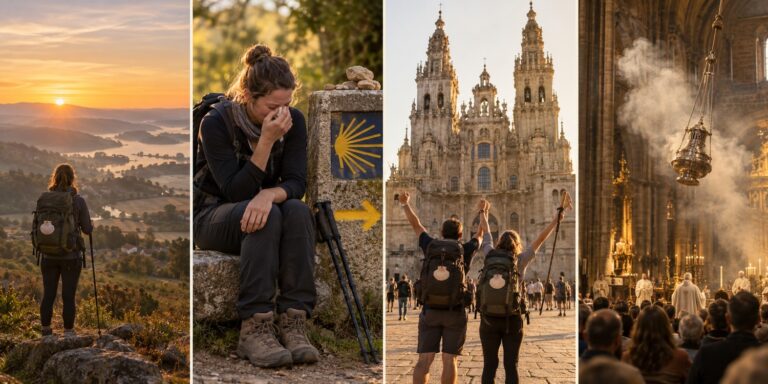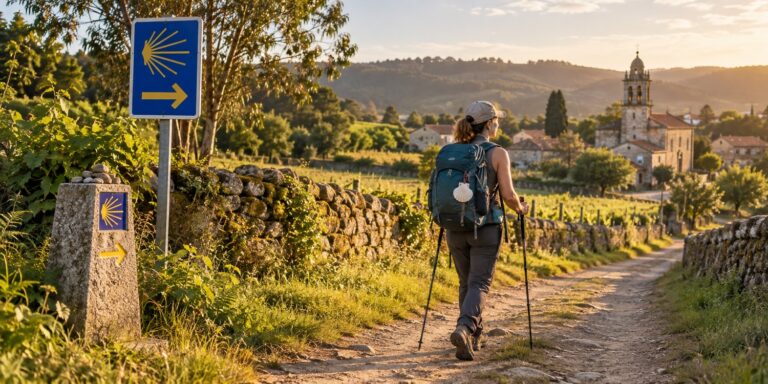

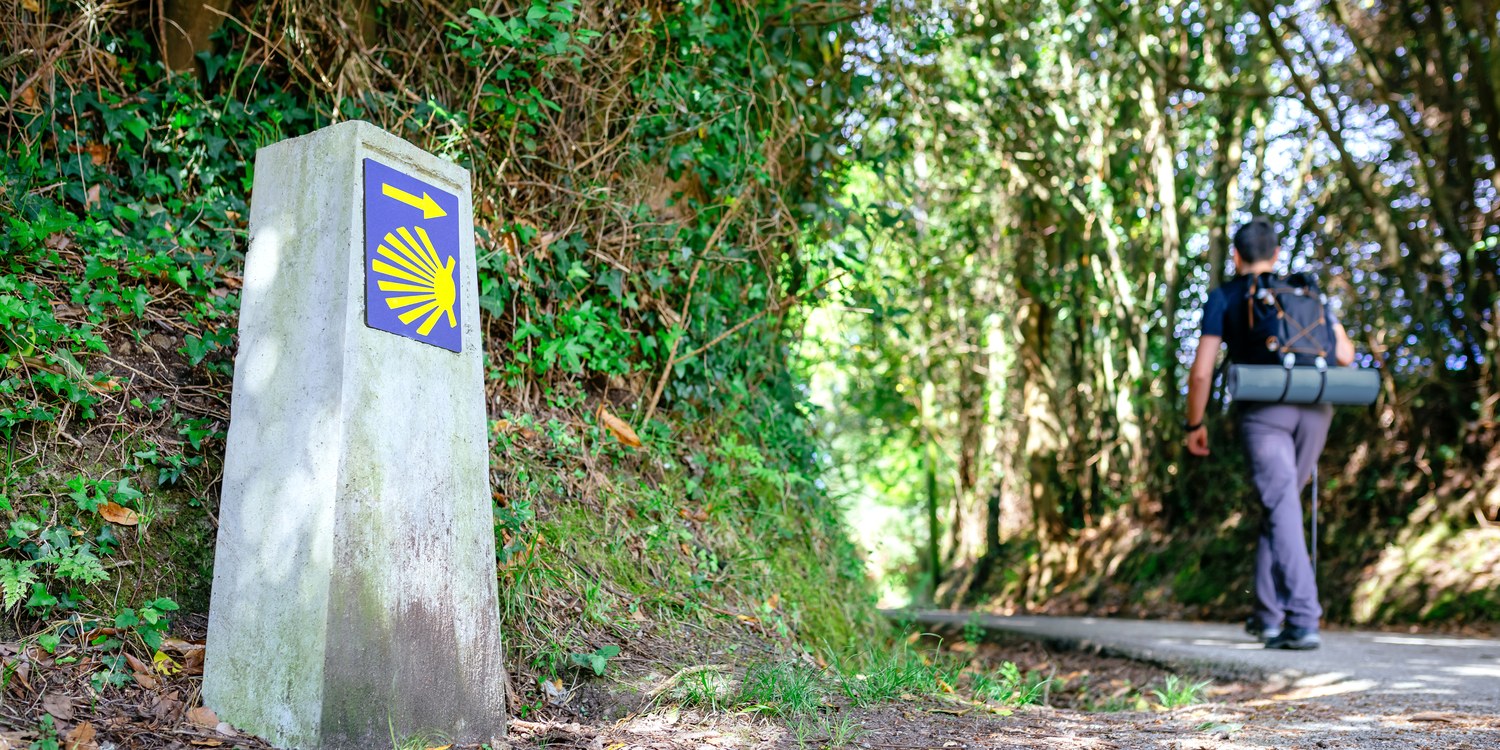
The Central Portuguese Way is one of the most popular routes among pilgrims seeking to reach Santiago de Compostela. The route passes through historic cities, villages, and rural landscapes, offering an experience that combines nature, culture, and physical challenge.
Before setting out, it’s important to familiarize yourself with the stages, estimate the time needed, and adjust the distances to your physical condition. In this guide, we explain how to plan your route from Porto and what you should keep in mind during the walk.
Table of Contents
What is the Central Portuguese Way?
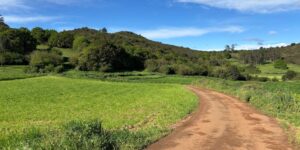
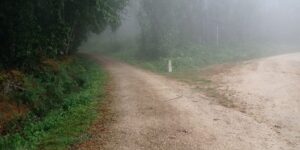
The Central Portuguese Way connects Portugal to Santiago de Compostela via traditional paths, rural areas, and urban centers. Although it can start in Lisbon, many pilgrims choose Porto because it is a starting point closer to the destination.
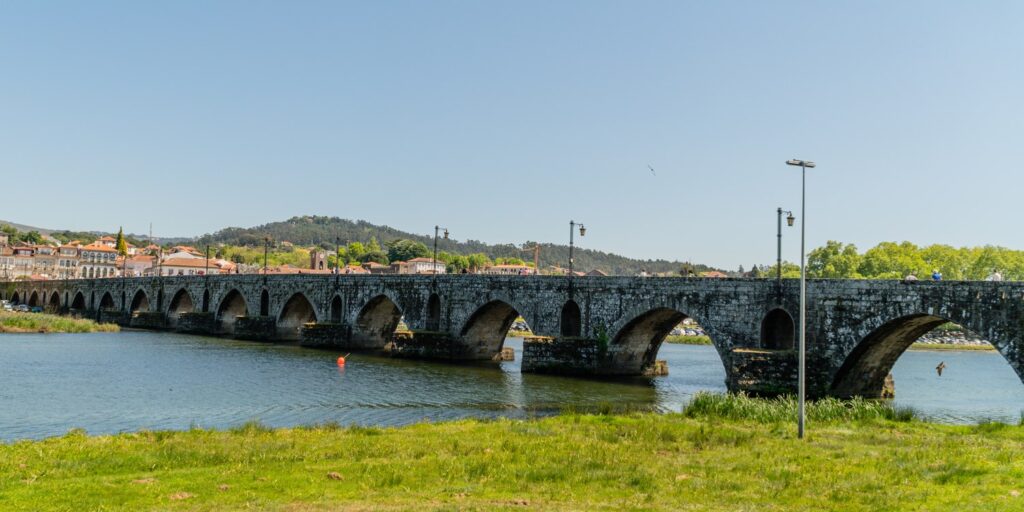
From there, the route passes through Barcelos, Ponte de Lima, and Valença, crosses the border into Galicia, and continues on to Santiago. The number of stages depends on your starting point, your pace, and the distance you plan to cover each day.
What are the stages of the Central Portuguese Way starting from Porto?
From Porto, it’s about 240 to 250 km to Santiago de Compostela. One option is to break the walk into 11 stages, although the distances vary depending on the itinerary and the accommodations chosen.
| Stage | Route | Approximate distance |
|---|---|---|
| 1 | Porto – Vilarinho | 25 km |
| 2 | Vilarinho – Barcelos | 28 km |
| 3 | Barcelos – Ponte de Lima | 34 km |
| 4 | Ponte de Lima – Rubiães | 18 km |
| 5 | Rubiães – Valença | 17 km |
| 6 | Valença – O Porriño | 20 km |
| 7 | O Porriño – Redondela | 16 km |
| 8 | Redondela – Pontevedra | 18 km |
| 9 | Pontevedra – Caldas de Reis | 23 km |
| 10 | Caldas de Reis – Padrón | 19 km |
| 11 | Padrón – Santiago de Compostela | 25 km |
Which stages are the most challenging?
Although the route alternates between rural areas and historic towns, some sections deserve special attention.
- Barcelos – Ponte de Lima: This is a long stage, so it’s important to pace yourself and bring enough water.
- Ponte de Lima – Rubiães: includes the climb up the Serra da Labruja, one of the most challenging sections of the route.
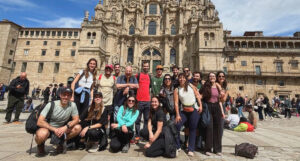
- Padrón – Santiago de Compostela: marks the final stage, with about 25 km remaining until reaching the Plaza del Obradoiro.
Once in Spain, the route passes through towns such as O Porriño, Redondela, Pontevedra, and Caldas de Reis. To learn more about the Galician route, consult the official guide to the Portuguese Way in Galicia.
Read also: How long does it take to walk the Camino de Santiago?
How many days does it take to complete the Central Portuguese Way?
Starting from Porto, you can expect the walk to take about 11 to 13 days, depending on the stages you choose and your pace. If you start from Lisbon, you’ll need more time to cover the additional distance.
If you don’t have experience with long hikes, opt for shorter stages and set aside time to rest. The goal is to arrive in Santiago with enough energy to enjoy the experience, without turning every day into a race against the clock.
How to prepare for the journey?
After planning your stages, check the availability of lodging, especially during the busiest months. Also, choose comfortable shoes that are already broken in, technical socks, and a backpack with only the essentials.
To round out your gear, check out our list of essentials for the Camino de Santiago. Before each stage, be sure to check the trail markers, maps, and water stations.
Conclusion: Plan your Camino at your own pace
The Central Portuguese Way allows you to discover different landscapes and towns on your way to Santiago de Compostela. Starting from Porto, you can plan the route in about 11 stages, but the itinerary should be adapted to your physical fitness and the time you have available.
Plan your distances in advance, pay special attention to the most challenging sections, and set aside time to rest. With good preparation, you’ll be able to enjoy each stage and experience the pilgrimage with greater peace of mind.