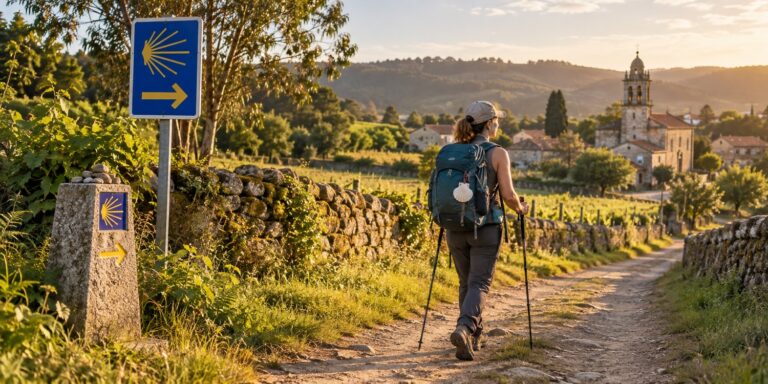

There’s a lot of talk about kilometers, stages, and hostels. But there’s a part of the Camino de Santiago experience that rarely appears in guidebooks: what happens inside, over hours and days of walking.
Bruno is a father and has already reached Santiago more than once, by different routes. He says that each Camino left him with something, and not always what he expected.
In this conversation, we move away from logistics and distances to talk about what happens inside: what we think about during hours of silence, what we resolve, what remains unresolved, and what we bring back when we return to our usual lives.
How many times have you walked the Camino and which routes have you chosen?
I have already done the Camino de Santiago four times, divided between the Portuguese Way and the Primitive Way.
How was the first time? What made you leave?
The first time was special because I did the Camino from my home in Porto, along the Portuguese Way. It was about 250 kilometers, in 11 days.
I wanted to understand what happened when you spent several days simply walking, away from your usual routine. I didn’t necessarily set out with a grand existential question or an answer I was looking for. I wanted to experiment.
Why do people return to the Camino de Santiago?
Each time you return, you find a different Camino de Santiago. We are not exactly the same person, we carry different concerns, we are at different stages of life. Therefore, although the destination is the same, the experience is never exactly the same.
Was there any event that went very differently than expected?
The journey is never exactly as we expect it to be. I think one of the most important lessons is realizing that we need to be adaptable to manage each day.
The effort required can change completely from one day to the next. It depends on the weather, our physical condition, and our state of mind. It also depends on the people we meet along the way.
There are days when we think we’re going to cover a certain distance and realize it doesn’t make sense, and other days we end up covering more than we expected. There are also days when a conversation with someone completely changes the experience.
Some say you can walk for hours without thinking about anything. Is that true, or does your mind never stop?
There are moments when we are simply walking and looking at the landscape, without really thinking about anything important. But there are also thoughts that appear precisely because there is finally space for them. I wouldn’t say that the Camino is about ceasing to think, it’s more about ceasing to have so many things interrupting your thoughts.
What do you remember thinking about throughout the stages? Was there a theme that kept coming back?
There’s a question that comes up often: do the things that consume my daily life really have the importance I attribute to them when I look at my life from a broader perspective?
Because when we’re caught up in a routine, everything seems urgent. On the Way, with some distance, some of those worries lose their importance.
Read also:15 reasons to do the Camino de Santiago
Have you ever left with an unresolved issue? Did you bring back an answer?
I set off with questions, but I don’t think the Camino provides concrete answers. It offers perspectives.
These are perspectives that result from silence, meditation, time available for thought, and also from the encounters that occur along the way. Sometimes, a conversation with someone we’ve just met makes us look at an issue in a completely different way.
Has becoming a father changed how you experience the Camino, or how you think about it?
Yes. Before, I saw the Camino primarily as an individual experience. Today, there is always a family dimension in how I think about it.
I’ve come to value alone time even more because I know it’s limited. Being a father has also made me realize that having some space for ourselves doesn’t necessarily mean distancing ourselves from our responsibilities. It can be a way of returning to them with renewed availability.
What has the Way shown you about yourself that you didn’t know before?
It showed me that I have more physical and mental stamina than I thought. There are times when we are tired and think we have reached our limit, but we keep walking and realize that, after all, there was still some room left.
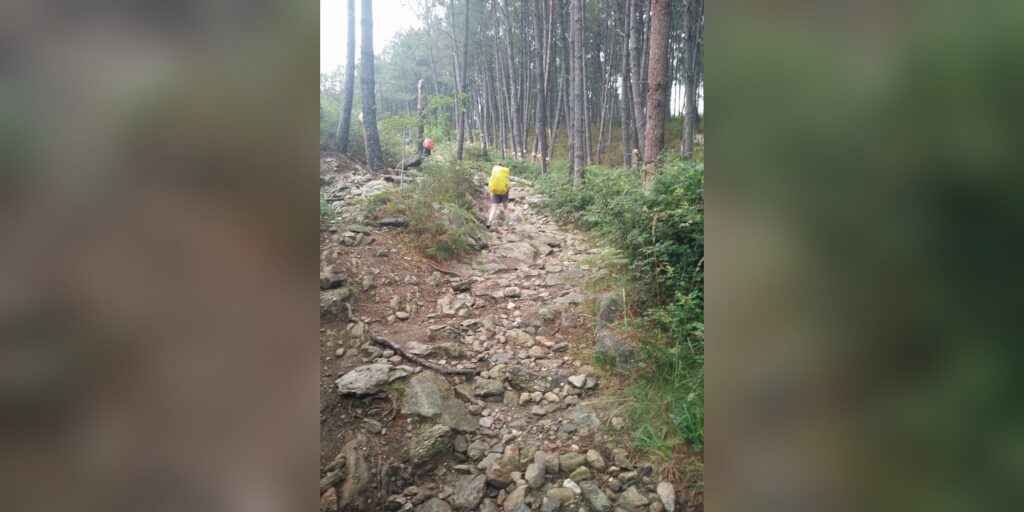
One of the most important lessons I learned was realizing that I don’t need to constantly fill the silence. In normal life, we are permanently surrounded by stimuli, information, people, notifications, and tasks. On the Camino de Santiago, there are long periods when we simply walk.
When you return, what remains and what is lost after a few weeks?
In the first few days after returning, there’s a kind of clarity that seems very easy to maintain. We know what we want to do differently, we understand better what’s important, and we have the feeling that we’ll be able to transfer all of that into normal life.
Then life begins to take up space again.
What would you say to someone who feels like going, but doesn’t know why?
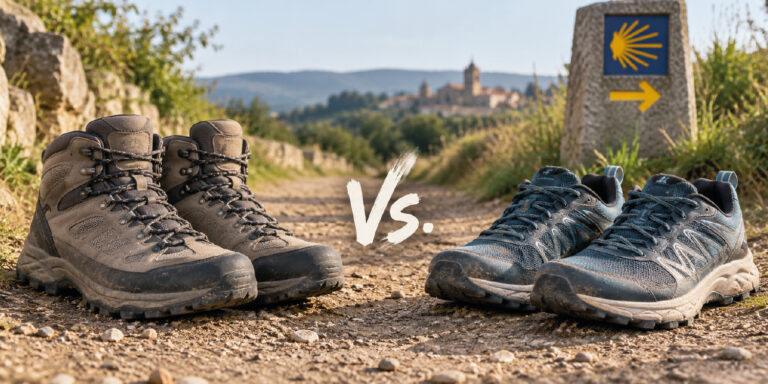
You don’t need to have a major crisis, an existential question, or a special goal. Grab the backpack you have at home, put on some comfortable shoes, and start tomorrow. There’s no need to wait for the ideal moment.
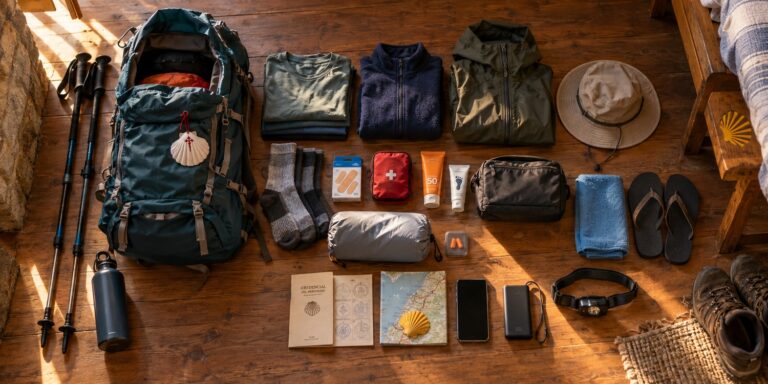
What was the most useless (or most ridiculous) thing you ever carried in your backpack?
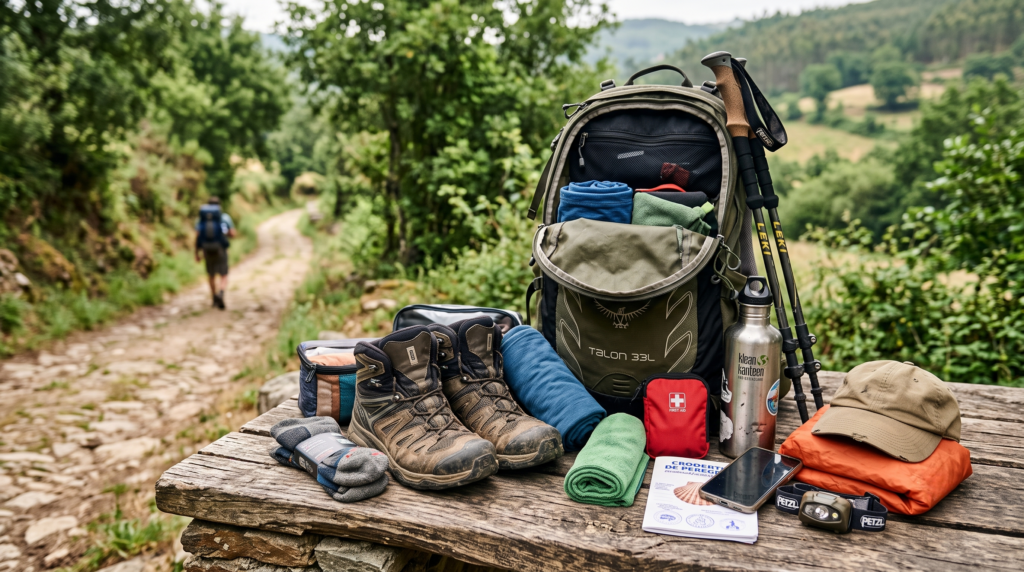
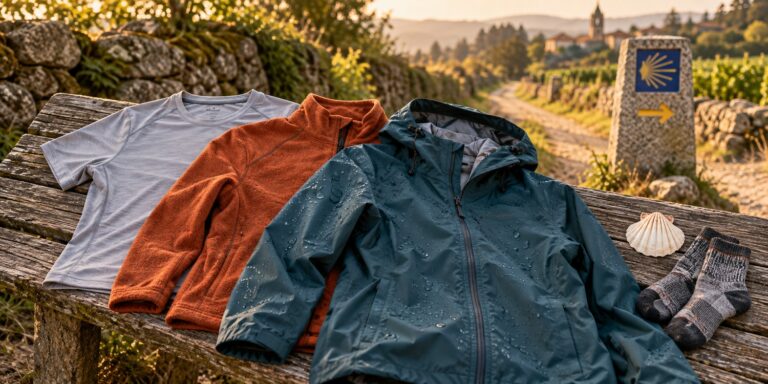
On the first day of my first Camino, I was carrying too much: too many clothes, food, and accessories. It was a fairly quick learning experience: on the second day, I left everything behind. Today I carry a change of clothes, an e-reader, and sunglasses.
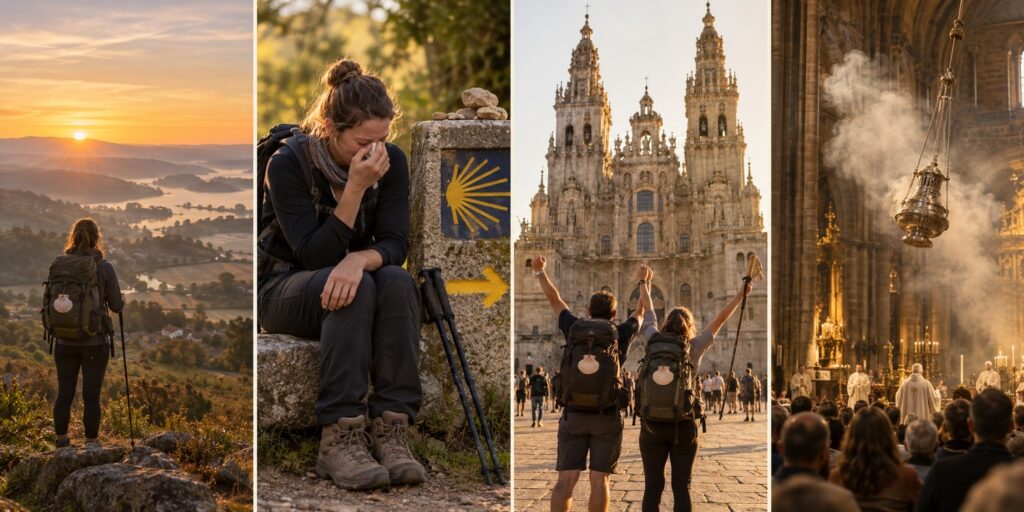
The experience of the Camino de Santiago isn’t measured solely in kilometers. As Bruno shows us, the Camino rarely provides easy answers, but it offers something perhaps more valuable: space to think, perspective on what truly matters, and the discovery that we are more resilient than we imagined.
He is also honest about the return journey: the clarity of the first few days tends to fade when routine takes over again. And perhaps that is precisely why so many pilgrims return.
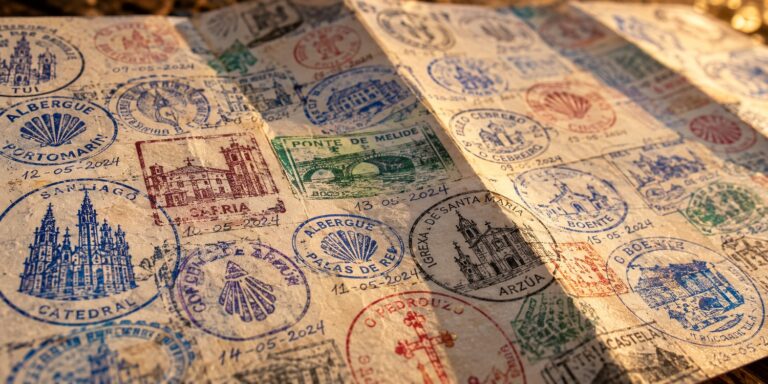
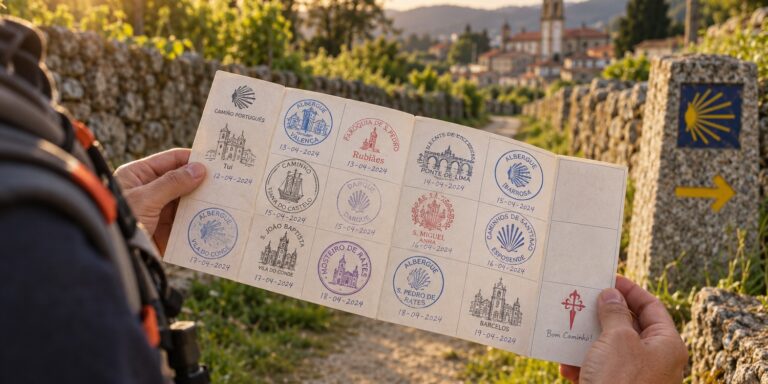
If you feel the urge to leave, even without knowing why, follow Bruno’s advice: don’t wait for the perfect moment. Start by planning the first stage, lighten your backpack, and take the first step. Upon arrival, you can also request your Compostela from the Pilgrim’s Office in Santiago, the certificate that proves you completed the journey.
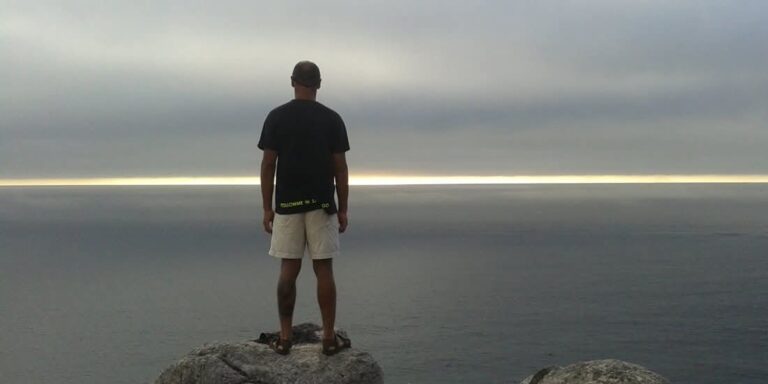
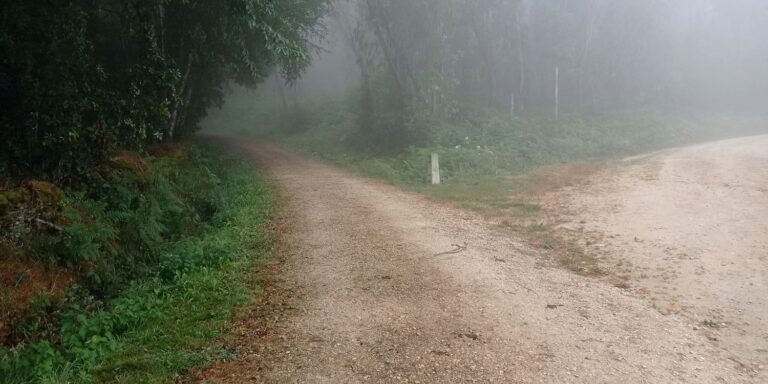
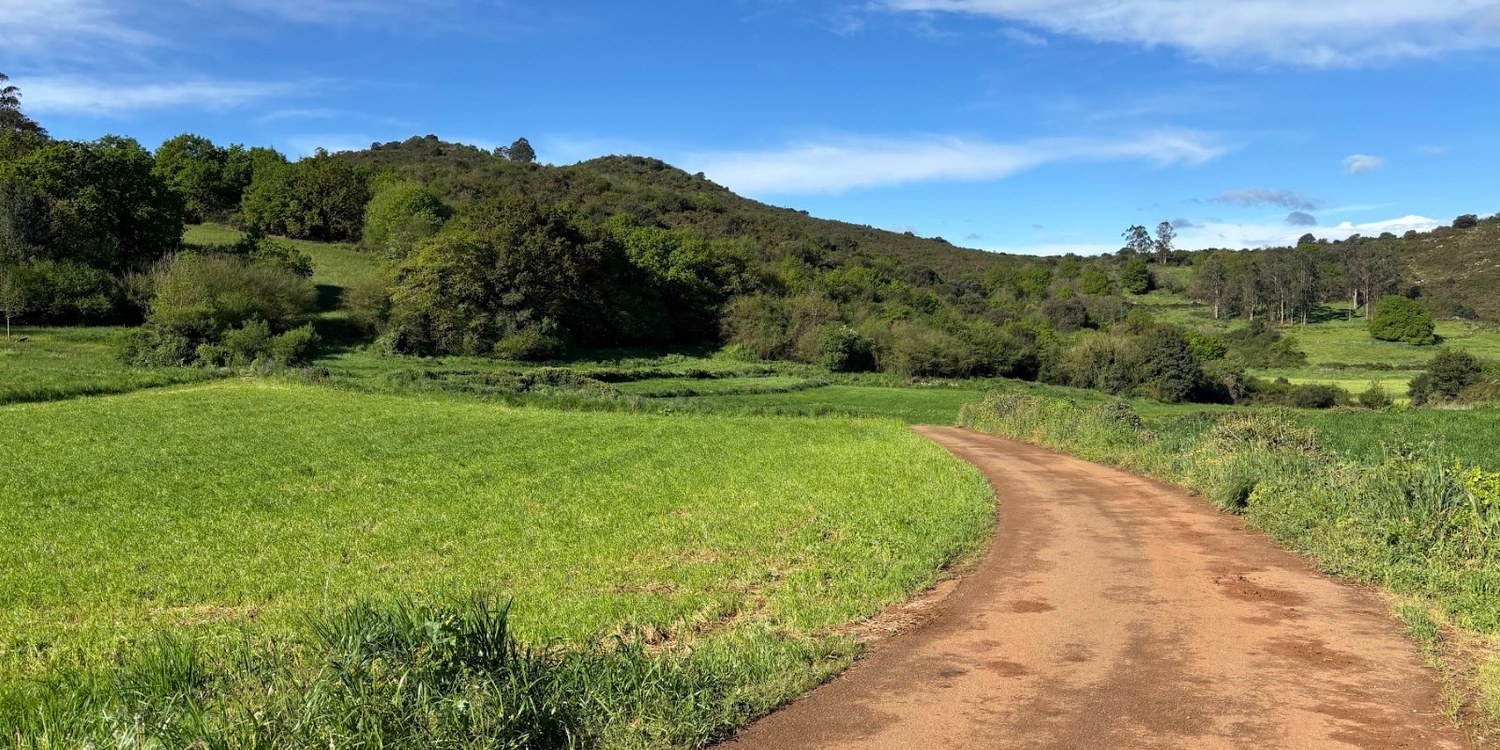
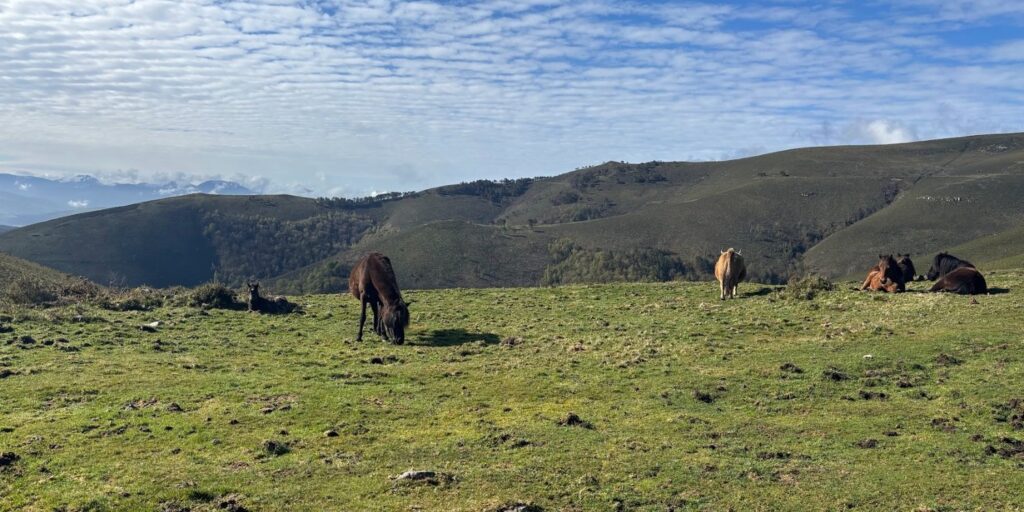
All photographs in this article are by Bruno.