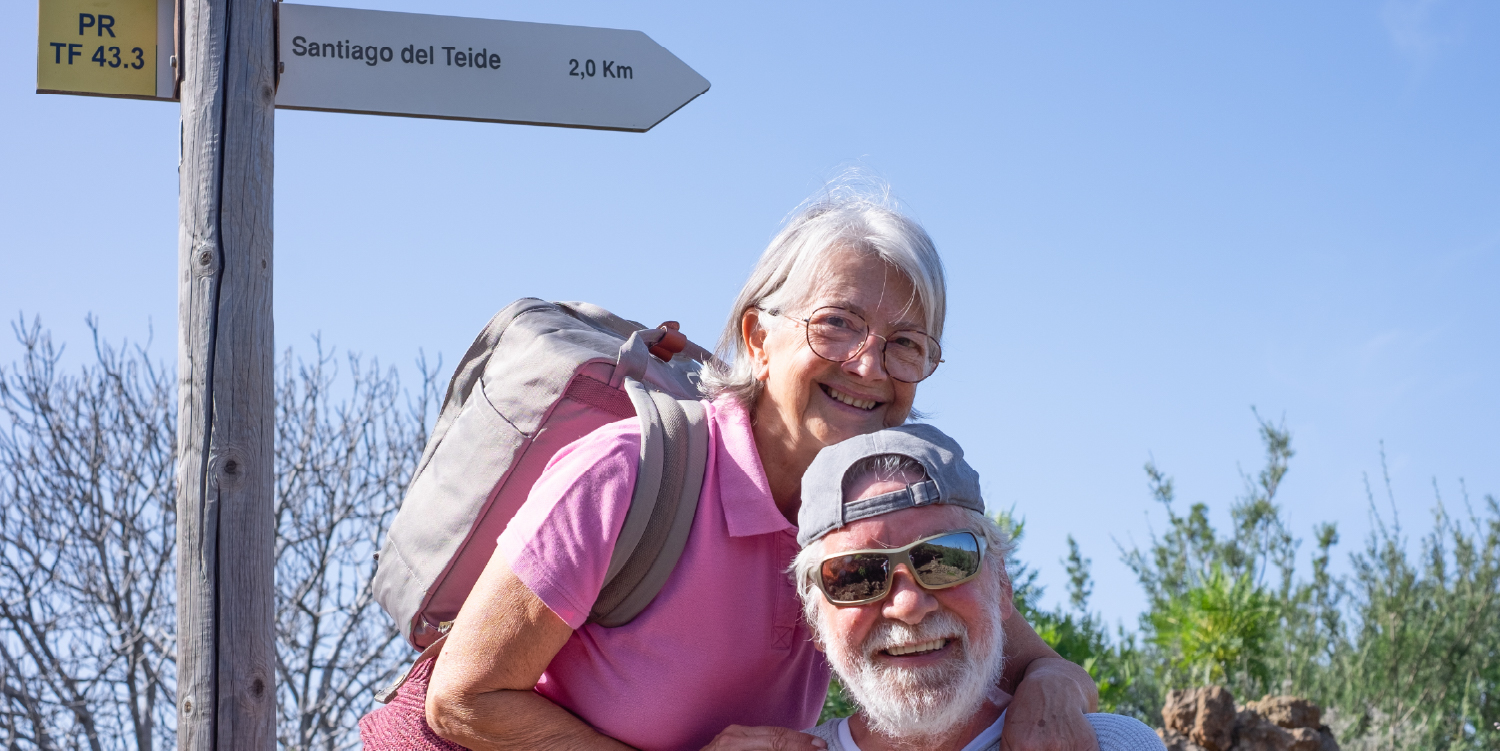
Age has never been an obstacle to walking the Camino de Santiago. Every year, thousands of pilgrims over 60, 70, and even 80 years old arrive in Santiago, many of them walking at a leisurely pace and enjoying each stage.
The Camino is not a race or an endurance test: it adapts to the person who does it. With the right preparation and some extra care, doing the Camino de Santiago after 60 can be one of the most rewarding experiences of your life. We’ve gathered the most useful tips for those who want to walk with confidence at this stage.
Table of Contents
Get a medical check-up before you leave
Before you start planning your trip, schedule an appointment with your doctor. A general check-up helps confirm that you are okay to undertake several days of hiking and allows you to adapt the plan to your physical condition.
If you have any chronic conditions, such as heart problems, high blood pressure, diabetes, or joint problems, talk openly with your doctor about what you plan to do. They can give you specific instructions, adjust your medication if necessary, and advise on the appropriate level of exertion. Always carry enough medication for the entire journey and a list of the medications you take, because it’s not always easy to find everything along the Way.
Prepare your body in advance
Arriving in good shape makes all the difference, and it’s never too late to prepare your body. Start walking regularly a few weeks or months before you leave, gradually increasing the distance and difficulty. The goal is not to train like an athlete, but to accustom your body to the sustained effort of walking several days in a row.
Include walks on varied terrain, with ascents and descents, in your training, and use the same shoes and backpack you will be carrying. This way, the body adapts gradually, discovers its limits in advance, and reduces the risk of injury and discomfort during the Camino.
Choose shorter steps and a relaxed pace
There is no obligation to follow the traditional stages. One of the best decisions you can make is to divide the route into shorter stages, walking fewer kilometers per day. Instead of 25 or 30 kilometers, you can opt for 12 to 18, adjusting to your pace and energy level.
Walk slowly, take breaks whenever you need to, and don’t compare yourself to younger or faster pilgrims. The Camino is better enjoyed when savored calmly, and your body will thank you. Remember that the most important thing is not to arrive quickly, but to arrive safely and enjoy every step.
Plan some days off
Rest is part of the journey, not an interruption to it. When planning your trip, include rest days to allow your body to recover, especially after longer or more demanding stages. Use these days to calmly explore the cities and towns you pass through.
If you prefer, you can also divide the Camino into several parts, done in different years, instead of completing it all at once. And if the goal is to obtain the Compostela without doing the entire route, simply walk the last 100 kilometers. There are many ways to experience the Camino, and all are valid.
Lighten your backpack and use the baggage transport service
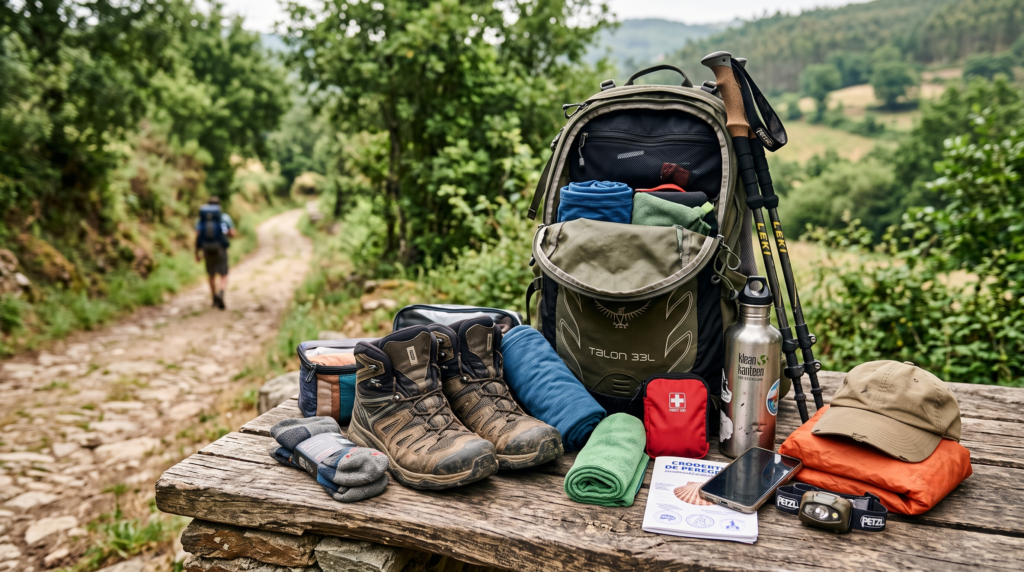
Carrying weight on your back is one of the biggest enemies of comfort, especially as you get older. Take only the essentials and keep your backpack as light as possible. Carefully review everything you put in it and leave anything unnecessary at home.
There is also a very practical solution: backpack transport services. For an affordable price, they will transport your luggage from one accommodation to the next, allowing you to walk with just a small backpack containing water, snacks, and the essentials for the day. For those with back or knee problems, or who simply want to save effort, this service makes a huge difference.
Invest in good footwear and use walking sticks
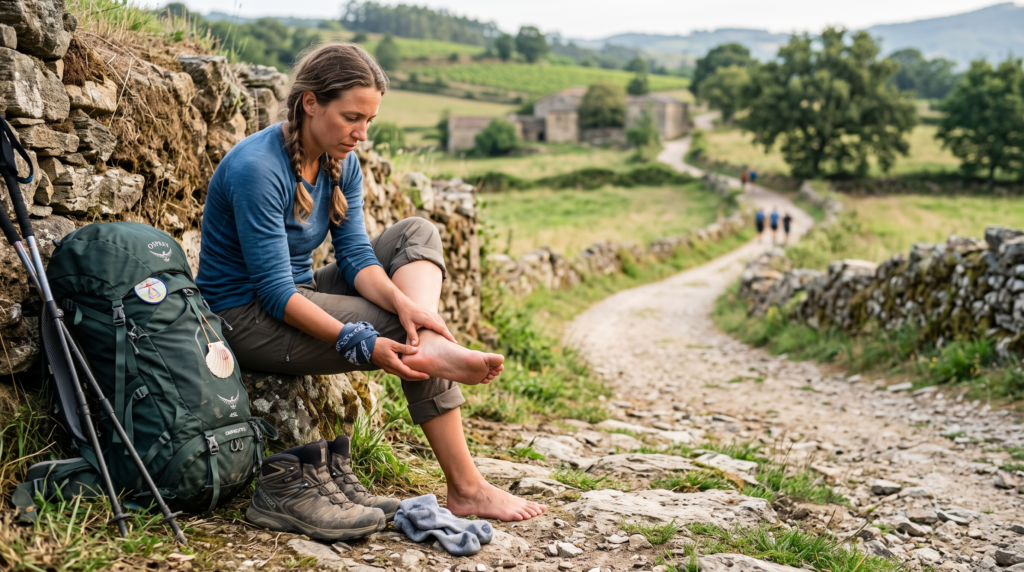
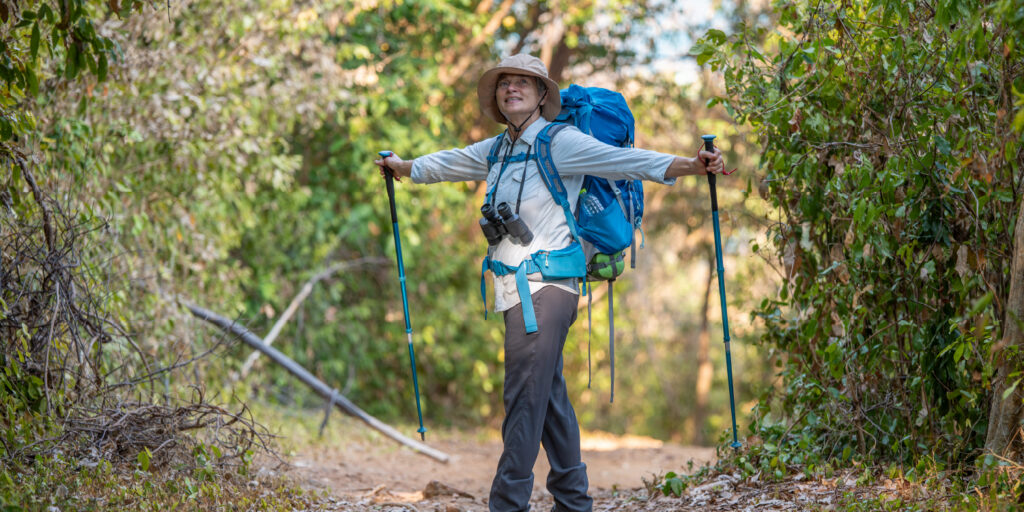
Good footwear is essential at any age, but even more so when your joints require extra care. Choose comfortable shoes that are suitable for the terrain and well-broken in before setting off, and wear them with technical socks to prevent blisters.
Walking sticks are a great ally at this stage. They help distribute the effort, relieve pressure on the knees and hips, especially on descents, and provide more stability and safety on uneven terrain. If you are not yet used to using them, try them during training so you can arrive at the Camino walking with confidence.
Read also: The Camino de Santiago after 60: Everything you need to know
Book your accommodation and prioritize a good night’s rest
Getting a good night’s sleep is essential for recovering from a day of walking and arriving with energy for the next stage. Although pilgrim hostels are part of the experience, dormitories don’t always provide the best rest, with bunk beds, noise, and shared bathrooms.
For those who value a good night’s sleep, it may make sense to more frequently choose private rooms in private hostels, guesthouses, or small hotels. Booking accommodation in advance provides peace of mind and avoids the uncertainty of arriving tired and having nowhere to stay. Restful sleep is an investment that is felt the very next day.
Take care of your hydration and nutrition
Keeping your body well hydrated and nourished is even more important as you get older. Drink water regularly throughout the day, even if you don’t feel thirsty, and take advantage of the fountains and cafes along the way to replenish your supply.
Eat balanced meals and always carry some energy snacks, such as fruit, nuts, or energy bars, for longer stages or sections with fewer services. Don’t skip meals and listen to your body: if you feel weak, dizzy, or excessively tired, stop, rest, and eat something. Taking care of your energy is taking care of your safety.
Choose the best time of year
The altitude at which the Camino is undertaken greatly influences comfort and effort. The intense heat of the peak of summer can be demanding, especially on sections most exposed to the sun, while the cold and rain of winter bring other challenges and more slippery terrain.
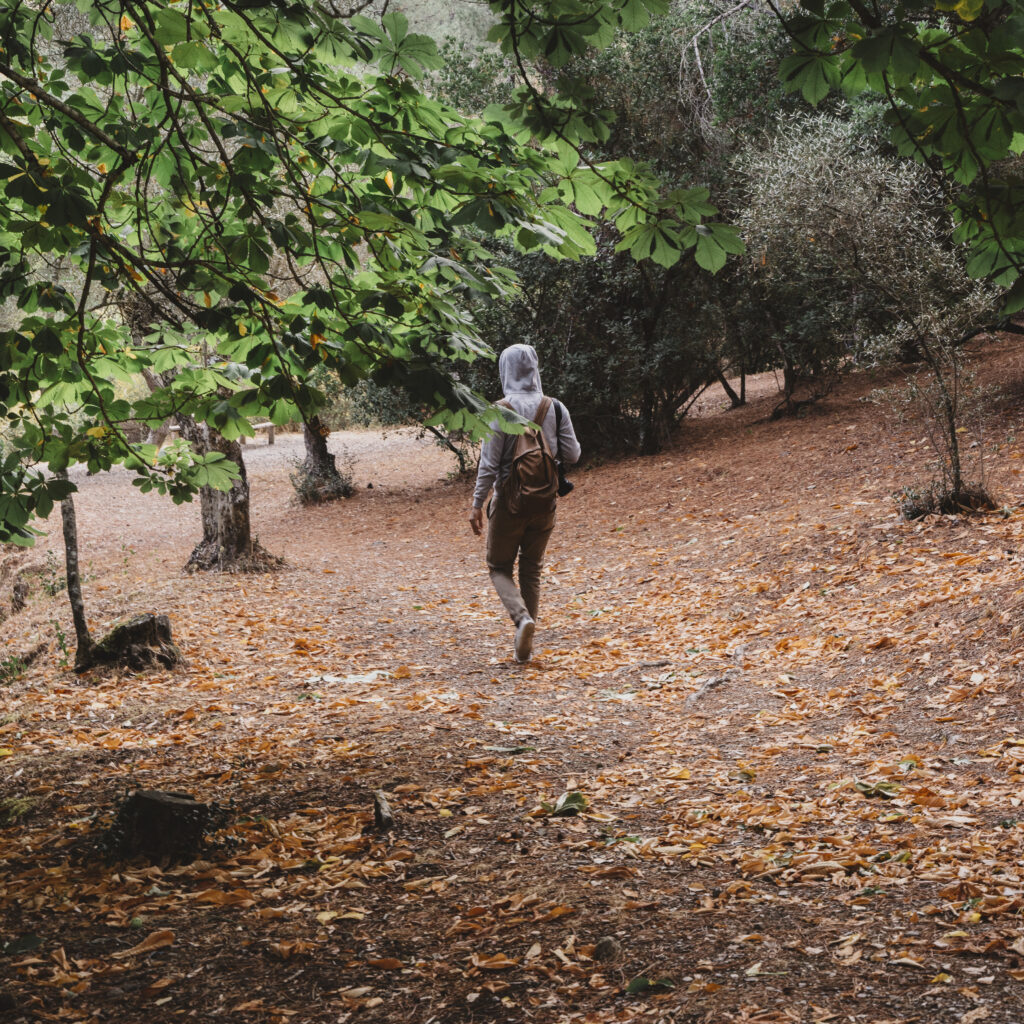
For many pilgrims, spring and autumn offer the best balance, with milder temperatures, fewer crowds, and beautiful scenery. Choosing a gentler season makes the walk more enjoyable and reduces physical strain, which is especially advantageous at this time of year.
Don’t walk alone and take essential safety equipment
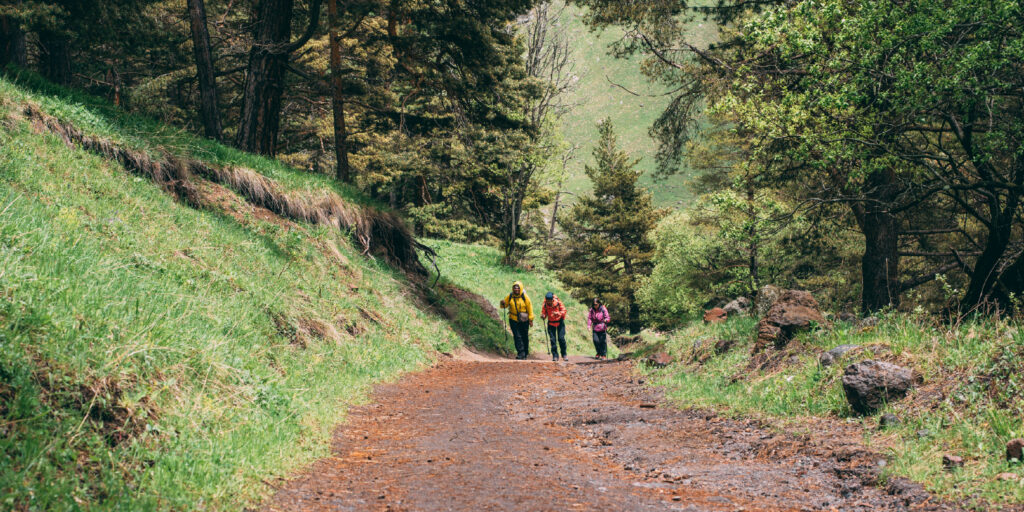
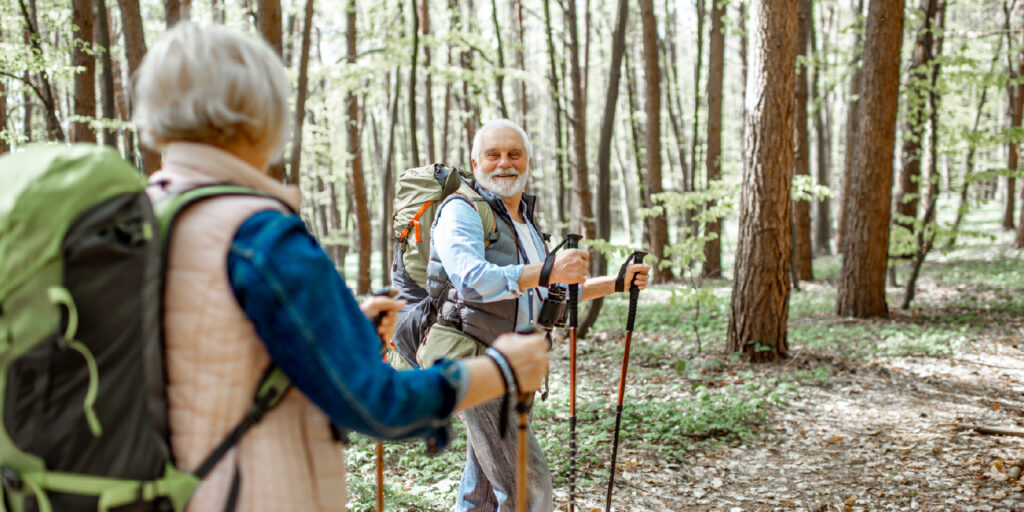
Walking the Camino with company, whether with family, friends, or organized groups of pilgrims, adds safety and companionship, as well as enriching the experience. If you prefer to walk alone, always let someone know your route and keep your mobile phone charged, using a backup power bank.
Also take care of the practical aspects before you leave: bring your European health insurance card or adequate travel insurance, keep emergency contacts handy, and always carry your medication and identification. These small precautions will give you peace of mind to focus only on what matters: enjoying the Camino.
Walking the Camino de Santiago after 60 is not only possible, it’s a profoundly enriching experience within reach of those who prepare sensibly. Go at your own pace, listen to your body, rest when you need to, and savor each stage. Age brings something precious: the calm and wisdom to experience the Camino with full intensity.
Buen Camino.