
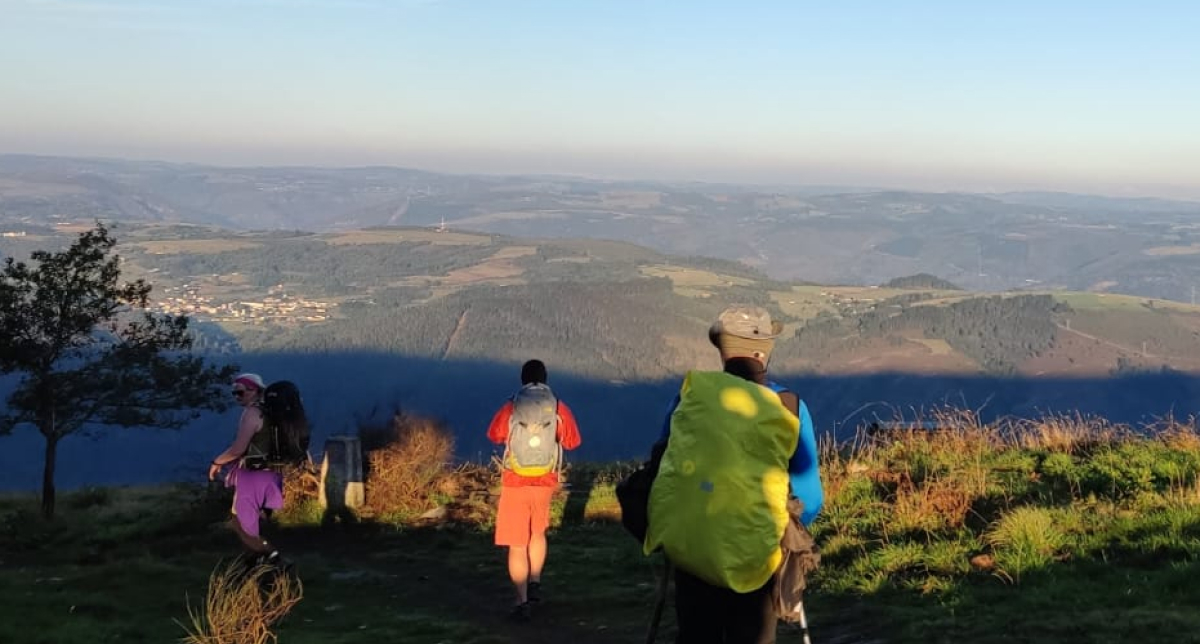
Hugo Lopes has crossed the finish line of marathons in Portugal and Italy, with the stopwatch ticking, Strava confirming his time, and his body trained to endure. Even so, he insists that one of the most demanding challenges he’s faced had neither a race number nor a finishing time: it was the Camino de Santiago. He walked the Camino because he “needed to.” In this conversation about the Camino de Santiago for athletes, he explains why and what he discovered when he stopped racing against the clock and began walking alongside it.
Table of Contents
Let’s start with the basics: why did you feel the need to walk the Camino?
To challenge myself, mainly to step out of my comfort zone, push past my own limits, and prove to myself that I’m capable of doing something that requires effort and determination.
You say it was one of the toughest challenges you’ve ever faced. In what way was it harder than a marathon?
I wouldn’t say it was harder than a marathon, but it was more challenging, especially emotionally. A marathon is an intense challenge, but one that takes place in a single day. The Camino is different: it involves several consecutive days of physical and mental exertion, during which you have to find the strength to keep going, even as fatigue sets in. It’s a challenge that tests you not only physically but also emotionally, day after day.
A marathon lasts a few hours; the Camino lasts days. How does the body react to this kind of prolonged exertion?
Your body accumulates fatigue over the days, but the greatest challenge ultimately lies in the mental and emotional realms. In a marathon, you know the effort will end after a few hours; on the Camino, you know that the next day you’ll have to get up and walk again. That’s when you realize it’s not just about physical endurance, but also about willpower and the ability to push past your own limits.
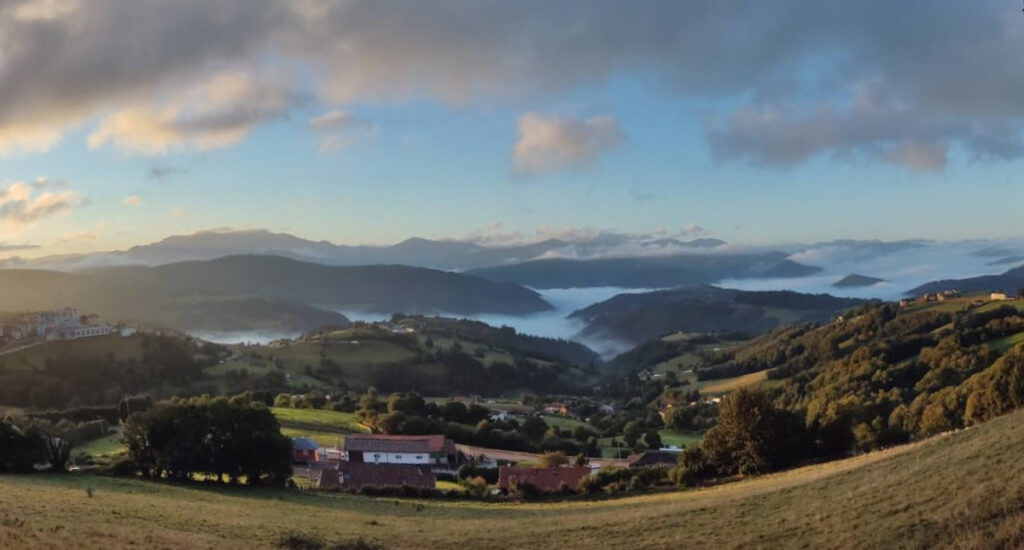
And what about your mindset? What changes when there’s no stopwatch or ranking?
Your mindset changes because you stop focusing on time or the outcome and start focusing on the experience. On the Camino, the challenge is with yourself, with your thoughts, your fatigue, and your emotions. You learn to respect your own pace, to take each day as it comes, and to realize that, often, the greatest victory isn’t arriving first, but having the strength to keep going, day after day.
Did your running training help you on the Camino, or did it actually get in the way?
I think it ended up helping with my physical endurance.
Read also: 10 Tips for Avoiding Blisters on Your Feet During the Camino de Santiago
Did you have trouble slowing down? Did you find yourself walking longer stages than you should have?
Absolutely! Sometimes, our minds get the better of us, and it’s our bodies that end up paying the price. The desire to keep going and push past our own limits speaks louder, but the Camino also teaches us that we need to know when to slow down, respect our limits, and realize that we don’t have to prove anything to anyone.
When were you closest to giving up?
Without a doubt, on the first day.
What did the Camino give you that marathons never did?
Without a doubt, it’s a life experience and a different perspective on many things. Marathons teach me to push past my physical limits, but the Camino gave me time to think, to get to know myself better, and to appreciate the little things. It’s an experience that goes far beyond physical exertion and leaves us with lessons we carry with us long after we reach our destination.
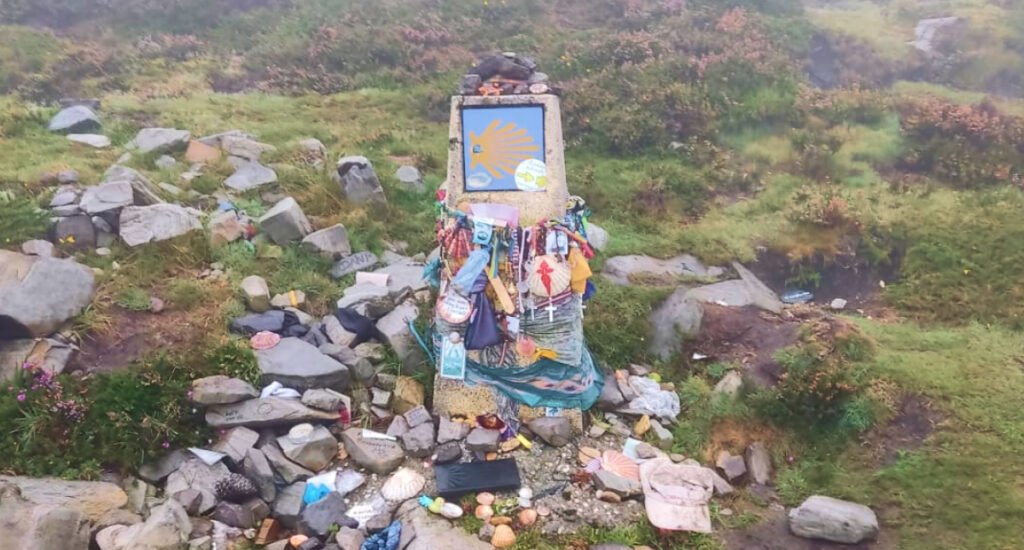
Did you start running differently after Santiago?
Yes, without a doubt.
What advice would you give to an athlete who thinks that, because they’re a good runner, the Camino will be easy?
I’d say to go with an open mind and without being overconfident. Being a good runner is an advantage, but the Camino is much more than just physical endurance. It involves several days of cumulative effort, during which your mind doesn’t always keep up with your will, and your body eventually takes its toll from overexertion. It’s important to respect your own pace, know when to slow down, and realize that the goal isn’t to get there faster, but to live the experience. The Camino isn’t just about your legs, it’s also about your mind and your heart.
What was the most useless (or most ridiculous) thing you’ve ever carried in your backpack?
Honestly, there were quite a few! From power strips and a game console to too many clothes, I packed a little bit of everything, as if I were going to be away for weeks. Over time, I realized that on the Camino, every gram counts, and that what seems indispensable before setting out often ends up being unnecessary weight on your back. I learned that the less we carry, the lighter we walk, and that doesn’t just apply to our backpacks!
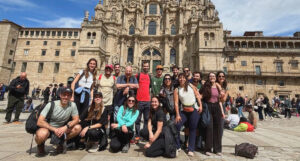
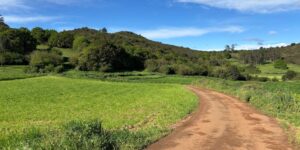
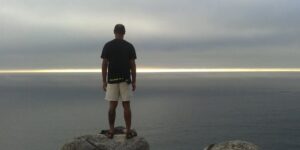
All photos in this article are by Hugo Lopes.