Where to sleep is one of the decisions that most defines the experience of the Camino de Santiago. It not only defines comfort and budget, but also the atmosphere at the end of each stage, the people you meet, and how you experience the journey. Among the various options, two stand out and frequently generate the same question: pilgrim hostel or hostel? In this article, we explain the differences, what to expect from each, and how you should choose at each point in your journey.
What is a pilgrim hostel?
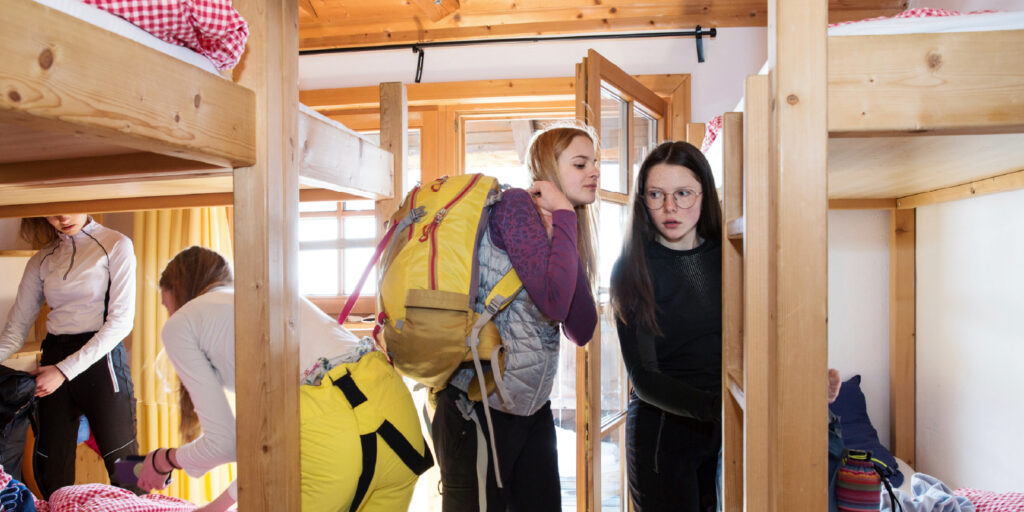
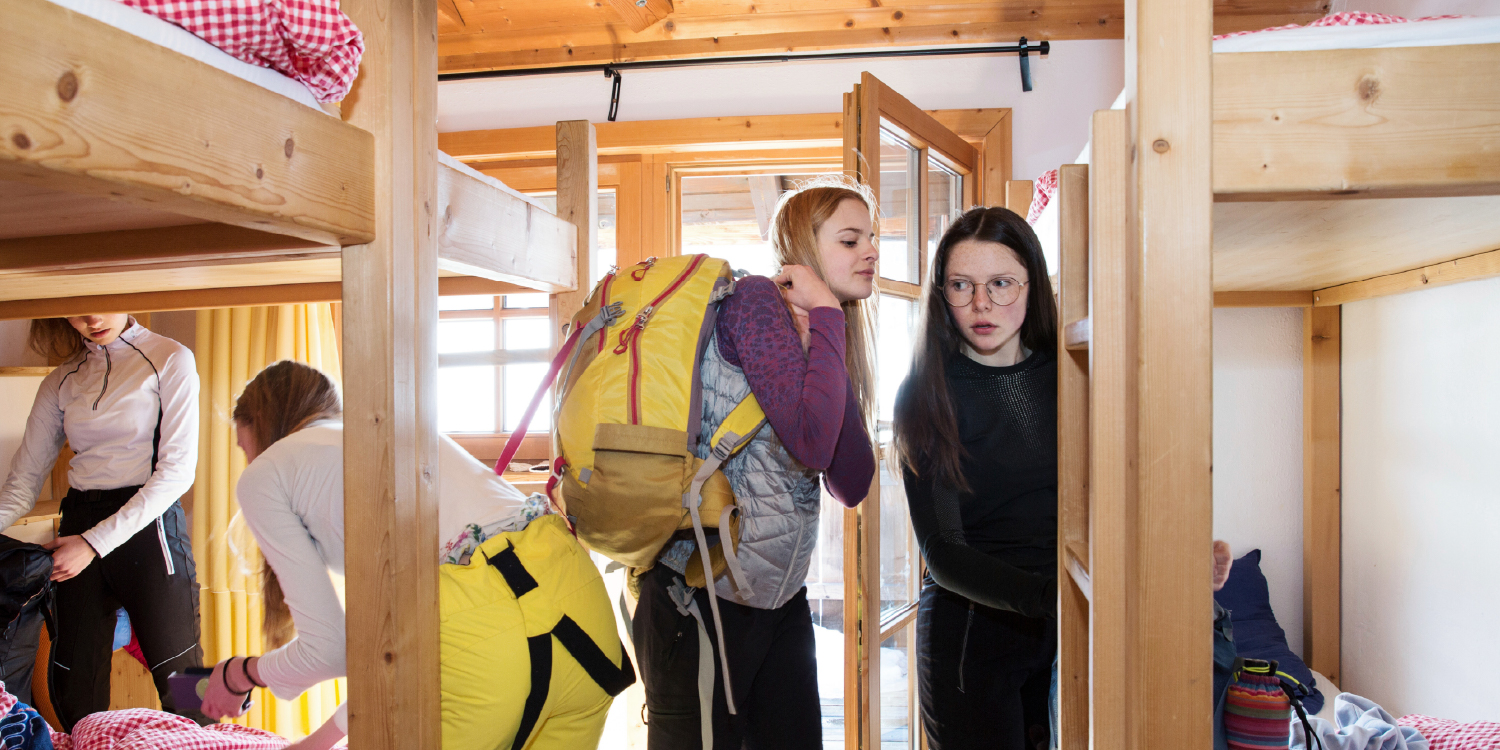
The pilgrim hostel is the traditional accommodation on the Camino and is part of its identity. It is mainly intended for those who walk the Camino and, in most cases, it is necessary to present the pilgrim’s credential to stay. Guests sleep in dormitories with bunk beds, shared bathrooms, and common areas where pilgrims socialize, cook, and exchange stories.
Within this category there are several types. Public, municipal or regional network hostels are usually the most economical and basic, with low prices or on a donation basis. Parish and association hostels often have a more spiritual and community atmosphere, with shared dinners. Private hostels offer a little more comfort and services, charge a higher price and, unlike many public ones, usually accept advance reservations.
What is a hostel?
Hostels offer more traditional tourist accommodation and are not exclusively for pilgrims. Anyone can stay there; no credentials are required, and it’s almost always possible to book in advance. They are mainly found in towns and larger villages along the Camino.
In terms of structure, hostels tend to offer more options and amenities. Besides dormitories, many offer private or double rooms, individual lockers, equipped kitchens, common areas, and sometimes breakfast. It’s an interesting option for those seeking a bit more privacy and comfort, or for those who want to get a better night’s rest without sacrificing a sociable atmosphere.
Price: how much does each option cost?
For many, the budget is the deciding factor. Generally speaking, pilgrim hostels are the cheapest option, especially public and donation-based ones, making them unbeatable for those doing the Camino on a tight budget or for many days.
Private hostels are in an intermediate price range, slightly above public hostels, but still affordable. Hostels tend to be more expensive than public hostels, especially if you opt for a private room, although this difference usually brings more comfort and privacy in return. It’s worth considering the total cost: one or two nights in a hostel may be well worth the extra expense, but over many days, the price difference compared to public hostels will significantly impact your overall travel budget.
Comfort and privacy
This is where the differences are most noticeable. In hostels, especially public ones, you sleep in dormitories with many people, in bunk beds, and with shared bathrooms. This means dealing with snoring, pilgrims who get up at dawn, and less privacy. It’s part of the experience, but it doesn’t always guarantee the best rest.
Hostels generally offer more privacy options, from smaller dormitories to single or double rooms. For those who value a good night’s sleep, a more private space, or simply a shower without the queue, a hostel can be the most comfortable choice, albeit at a higher cost.
The social experience and the spirit of the Way
There’s a dimension that goes far beyond price and comfort. For many, pilgrim hostels are the true social heart of the Camino. It’s in the dormitories, at communal dinners, and in conversations at the end of the day that friendships are born, advice is shared, and that sense of community so closely associated with pilgrimage is experienced.
Hostels, being more open to tourism in general, tend to have a more anonymous and diverse atmosphere, with travelers who are not necessarily doing the Camino. They are no less welcoming, but they offer a different experience, less linked to the pilgrim spirit and closer to a conventional trip.

Reservations and availability
The ability to make reservations is an important practical point, especially during peak seasons. Many public hostels do not accept reservations and operate on a first-come, first-served basis, which means that on busy days you may have to walk early to secure a bed, or risk not finding a place.
Private hostels and guesthouses, on the other hand, usually allow advance booking. This provides peace of mind and the certainty of having a place to sleep, but it removes some flexibility, as you are committed to arriving at a specific destination on that day. Booking or going with the flow is, ultimately, a choice between security and freedom, and both have their value depending on the time of year and your hiking style.
How to decide at each stage
In practice, the best decision is rarely to choose just one type of accommodation for the entire Camino. It makes more sense to decide stage by stage, according to what you need at each moment.
Pilgrim hostels are usually the natural choice when you want to save money, experience the community atmosphere, and fully feel the spirit of the Camino. Hostels become advantageous when you arrive in a larger city, when your body needs a proper night’s rest, when you want to do laundry and recharge your batteries, or when you are traveling with someone and prefer a private room. Listening to your body and the moment is the best way to make the right decision.
The most common solution: combine the two
Most experienced pilgrims end up doing exactly this: combining the two. They spend most of their nights in hostels, for the sake of economy and experience, and occasionally book a hostel or a private room to recover, especially after tougher stages or upon arrival in cities.
This mix allows you to balance budget, comfort, and experience. Enjoy the best of both worlds without being stuck in a single formula. In the end, there’s no one-size-fits-all answer: there’s the right answer for you, for your pace, and for each day of your Camino. The important thing is that each night helps you arrive more rested and motivated for the next stage.
Buen Camino.