Walking the Camino de Santiago is an experience that lasts a lifetime. It’s not just a walk, it’s an inner journey, an encounter with people from all over the world, and a way to rediscover what’s essential. But to make the most of each stage, preparation makes all the difference.
In this guide you’ll find everything you need to know: how to train your body, prepare your mind, choose the right equipment, and plan your route to Santiago de Compostela.
Physical preparation: how to train your body for the journey.
The first thing you should do when you decide to embark on the Camino de Santiago is to start walking. It seems obvious, but many people underestimate this step (and pay dearly for it in the early stages!).
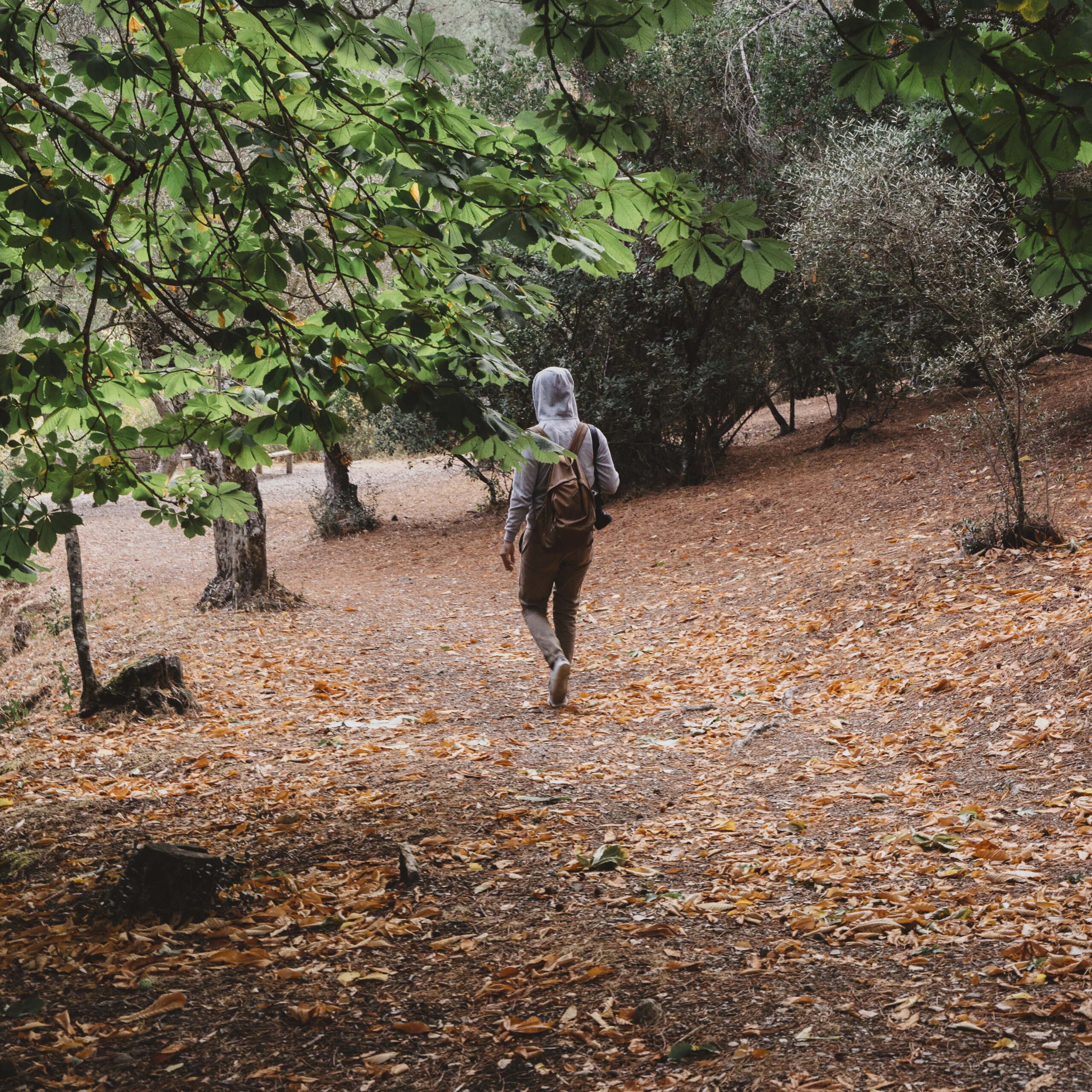
This isn’t about becoming a high-performance athlete. The goal is simple: to accustom your body to the continuous effort of walking. Start with short routes, 5 to 10 km, and gradually increase the distance. If possible, train with a backpack; this simulates real-life conditions and avoids unpleasant surprises like tendinitis or muscle pain that can ruin the first few days.
How to manage the pace in the early stages
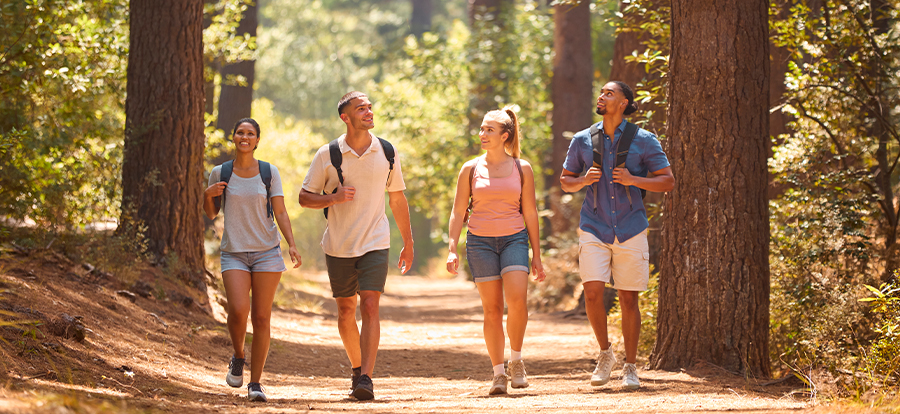
Once on the Way, the secret is not to overdo it at the beginning. Many pilgrims make the mistake of wanting to cover great distances on the very first day, driven by the euphoria of the start. The result? They become exhausted (or worse, injured) before they reach the end of the first week.
A sensible progression might look something like this: 15 km on the first day, 18 km on the second, 21 km on the third, spread over several hours with regular breaks. Your body will thank you.
There’s something interesting that almost all pilgrims experience: after a few days (for some it’s on the third, for others on the tenth) you wake up in the morning and your body feels different. Lighter, stronger, less sore: it’s a sign that your muscles have adapted and are finally working efficiently. From then on, walking starts to be genuinely enjoyable.
Mental preparation: the part that many forget.
The journey is also, and above all, a mental and emotional experience. Preparing your mind beforehand is just as important as training your legs.
Before you set off, talk to people who have already done the Camino. There are very active communities in online groups and pilgrim associations where you can absorb real experiences, understand what awaits you and, above all, start to create the right mindset for the journey.
Learn to let go before you leave
The Way teaches you that you need far less than you think. Happiness there is measured in simple things: lunch in the sun, a hot shower at the end of the day, a comfortable bed, and a good conversation at the dinner table.
A practical exercise that many experienced pilgrims recommend is to stop wearing a watch for a month before setting off. It seems like a small detail, but it’s a concrete way to start slowing down and reconnecting with a more natural rhythm – which is exactly what the Camino will ask of you.
Set off without rigid expectations. The more open-minded you are, the more the Path has to offer you.
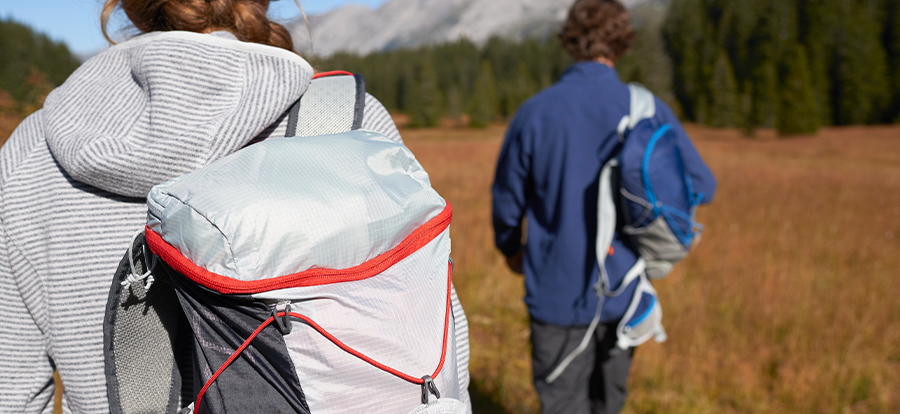
The perfect backpack: lightweight, practical, and well-designed.
Your backpack can be your best ally or your worst nightmare. The golden rule is simple: the total weight should not exceed 10% of your body weight. In practice, this means not exceeding 10 kg for men and 8 kg for women.
The natural tendency when preparing for a trip is to want to take everything “just in case.” On the Camino, this logic is completely reversed. Those who don’t realize this at the start will soon understand it in the first few kilometers, crushed by the weight on their backs.
What to pack in your backpack
- Water bottle (minimum 1.5 liters)
- Energy snacks for the journey.
- Technical clothing, lightweight and breathable — suitable for the season.
- Waterproof and windproof (even in summer, the weather can be unpredictable).
- Hat, sunscreen, and sunglasses.
- First aid kit: blister bandages, pain relievers, and disinfectant.
- Charger and mobile phone with battery
- A camera, if you want to keep memories of the landscapes.
- Your pilgrim’s credential — the passport of the Way.
If you want to travel even more lightly, there are stage-to-stage luggage transport services, allowing you to carry only a small backpack with the essentials for the day.
Ready to leave?
Preparing for the Camino de Santiago in advance doesn’t take away from the spontaneity of the experience; on the contrary, it frees you to live it fully, without unnecessary worries.
Train your body, prepare your mind, lighten your backpack, and choose your footwear wisely. The rest? The Way takes care of it. Each stage brings its own encounters, landscapes, and lessons, none of which are found in guidebooks.